


Maximize Your Savings: Finance Tips for 2025 Cashback Cards

Key Highlights
Here are the key takeaways from our guide on 2025 cashback cards: Understanding cashback basics helps you earn money on everyday spending. Strong personal finance habits and a solid financial planning strategy are crucial for maximizing rewards. Recently in finance news, notable headlines include updates on credit card reward programs, the impact of rising interest rates on personal finance decisions, and new strategies for financial planning as economic conditions evolve.
Understanding cashback basics helps you earn money on everyday spending.
Strong personal finance habits and a solid financial planning strategy are crucial for maximizing rewards.
Top cards in 2025 will offer high cashback rates, some up to 5%, in popular spending categories. Leveraging AI and financial technology can help you track spending and automate savings. The International Finance Corporation is a global development institution that supports private sector growth in developing countries, often by investing in financial technology and other innovative solutions to improve financial inclusion and promote economic development.
Leveraging AI and financial technology can help you track spending and automate savings.
You can grow your wealth by investing your cashback rewards into a savings account or other assets.
Always check the credit policy and fees before choosing a card from financial institutions.
Introduction
Welcome to your guide for mastering cashback credit cards in 2025! If you want to make your money work harder, you’re in the right place. Getting up to 5% back on daily purchases can significantly boost your savings. This article will give you a better understanding of how these cards fit into the broader financial system. We’ll explore finance tips and strategies, helping you choose the best card and use it wisely. Think of us as your personal finance team, ready to help you navigate your options. While this guide focuses on personal and corporate finance topics like credit cards and maximizing cashback, it's useful to know the difference between government finance and corporate finance. Government finance involves managing public resources, setting budgets, and funding public services for the welfare of citizens, whereas corporate finance concentrates on maximizing shareholder value, managing profits, and making investment decisions for businesses.
Understanding Cashback Credit Cards: The Basics
Cashback credit cards can seem simple on the surface, but knowing the details can make a big difference in your savings. At its core, finance is about managing money, and these cards are a powerful tool for your personal finance toolkit. They offer a percentage of your spending back to you, turning everyday expenses into a source of income. If you're interested in learning about finance committees in the U.S. Senate, you can find detailed information on the official U.S. Senate website, particularly by visiting the pages for the Senate Committee on Finance or searching their legislation archives. These resources offer insights into committee responsibilities, membership, and current policy issues.
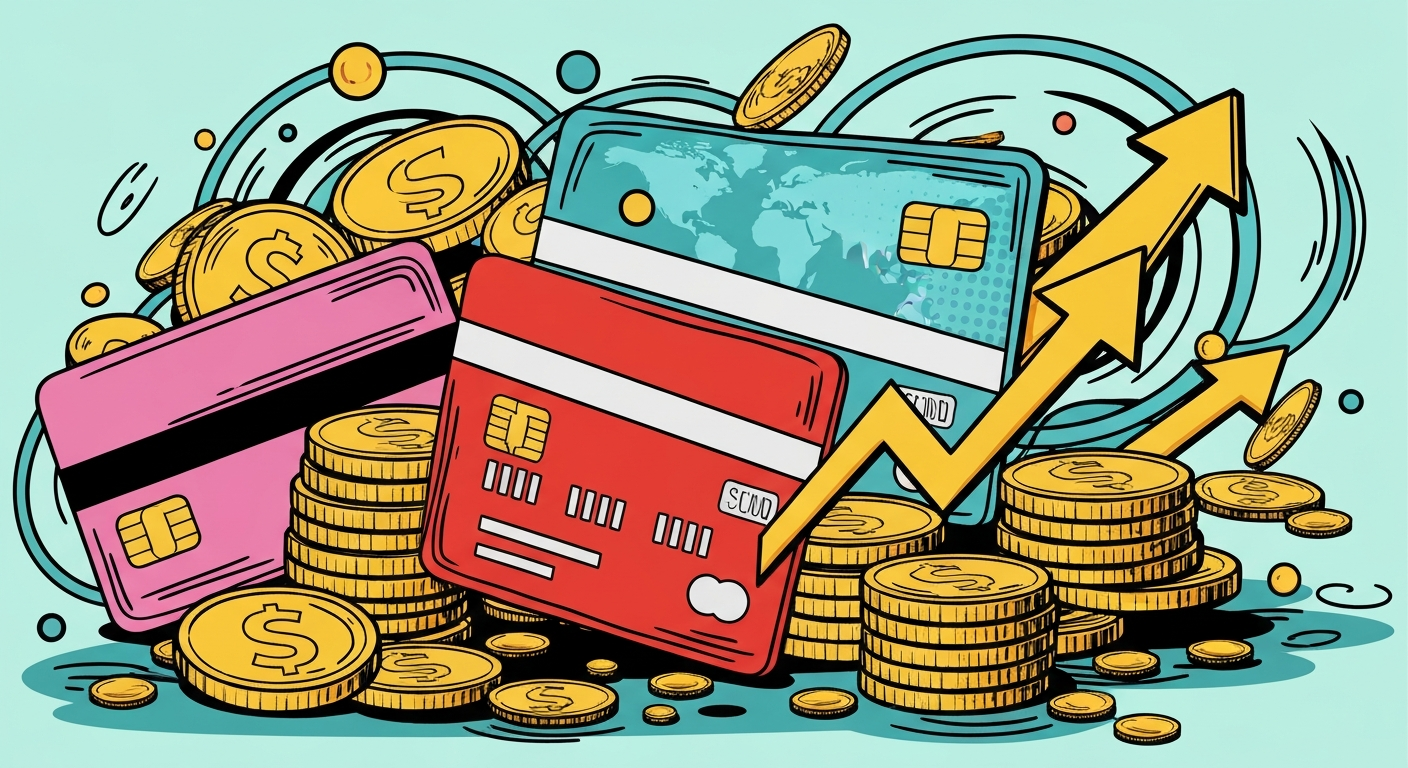
Understanding how these rewards work and what to look for will help you make smarter financial decisions. From the types of rewards offered to the common pitfalls to avoid, we will cover the essential information you need. Let’s explore what these cards are, how they function, and some common misunderstandings about them.
What Are Cashback Credit Cards?
So, what is the basic definition of finance and how do cashback cards fit in? Finance is simply the study and management of money. Cashback credit cards are a financial product offered by commercial banks and other financial institutions that reward you for using them. For every dollar you spend, the card issuer gives you a small percentage back as a reward.
This reward can come in the form of a statement credit, a direct deposit to your bank account, or a check. It’s a straightforward way to get a return on your spending. Think of it as a rebate on your purchases, from groceries to gas.
The concept is regulated by agencies like the Consumer Financial Protection Bureau (CFPB), which was created to protect consumers from harmful banking practices. These cards are valuable financial resources that, when used responsibly, can help you save money without changing your spending habits.
How Cashback Works in Everyday Spending
Making cashback work for you is easy. Every time you use your card for a purchase, the transaction is recorded. At the end of your billing cycle, the card issuer calculates the total cashback you've earned based on your spending and the card’s reward rates. This process is a fundamental part of commercial bank operations.
This earned cash is then made available to you. You can often choose how you want to receive it, which gives you control over this new cash flow. For instance, you could have it applied directly to your credit card bill to lower your balance or transfer it to a savings account to grow your funds.
Here is how it typically breaks down:
Make a Purchase: You buy groceries, gas, or pay a bill with your cashback card.
Earn Rewards: You earn a percentage back on that transaction, such as 1%, 3%, or even 5%.
Redeem Your Cash: You redeem your accumulated rewards as a statement credit, bank deposit, or check.
Common Misconceptions About Cashback Programs
Many people have misconceptions about cashback credit cards that might prevent them from taking full advantage of the benefits. It's important to separate fact from fiction. For example, some believe the rewards are too small to matter, but they can add up to hundreds of dollars a year.

Another common myth is that these cards always come with high annual fees. While some premium cards do have fees, many excellent cashback cards from banks and credit unions are available with no annual fee at all. The key is to read the card's credit policy carefully. The main types of finance—business finance, investments, and financial markets—all influence how these products are structured.
Here are a few common myths debunked:
Myth: You need to spend a lot to earn significant rewards.
Myth: All cashback cards have high interest rates.
Myth: Rewards are difficult to redeem.
Myth: Cashback cards are only for people with perfect credit.
Key Finance Principles Behind Maximizing Card Rewards
To truly maximize your cashback rewards, it helps to understand a few key principles of personal finance. It’s not just about spending; it's about spending strategically. Think of your finances like a company's balance sheet—you want your assets (like cashback earnings) to grow while managing your liabilities (your credit card balance).
Applying basic financial concepts can turn your credit card from a simple payment tool into a powerful part of your wealth-building strategy. We'll look at how personal finance planning, budgeting, and managing your credit score can help you unlock the best rewards available in the financial markets.
The Role of Personal Finance in Credit Card Strategy
Why is finance important for individuals? An understanding of personal finance is critical for making smart decisions with your money, and this is especially true when using credit cards. A solid credit card strategy isn't just about swiping for every purchase. It involves integrating your card usage into your overall financial planning.

The study of finance provides a framework for making better decisions. This means choosing a card that aligns with your spending habits and financial goals. For example, if you spend a lot on dining out, a card with high rewards in that category makes sense.
Ultimately, good personal finance practices ensure you pay your balance in full each month to avoid interest charges, which can quickly cancel out any cashback you’ve earned. This discipline is the foundation of a successful credit card rewards strategy and a healthy financial life.
Importance of Budgeting for Higher Cashback
Budgeting is your secret weapon for maximizing cashback. When you track your spending, you get a clear picture of where your money is going. This knowledge allows you to align your largest spending categories with a credit card that offers the highest rewards in those areas.
Creating a budget helps you manage your cash flow effectively, ensuring you have enough to pay your credit card bill in full. Think of your budget like the financial statements for your household; it shows your income and expenses, helping you make informed decisions. Some budgeting apps even integrate with platforms that provide real-time finance news to keep you informed.
Here’s how budgeting boosts your cashback:
Identifies your top spending categories.
Helps you choose a card with matching bonus rewards.
Ensures you pay your balance on time and in full.
Prevents overspending just to earn rewards.
Frees up cash to be moved into commercial bank deposits or investments.
Managing Your Credit Score for the Best Offers
A strong credit score is your ticket to the best cashback credit cards on the market. Card issuers reserve their most lucrative offers—those with high reward rates, generous sign-up bonuses, and premium perks—for applicants with good to excellent credit. Financial institutions view a high credit score as a sign of a responsible borrower.
The financial industry uses your credit score to determine your creditworthiness, and each issuer has its own credit policy for approvals. To maintain a healthy score, focus on paying your bills on time, keeping your credit utilization low, and avoiding opening too many new accounts at once.
Information from agencies like the Bureau of Labor Statistics can show career trends, but your personal payment history is what truly shapes your credit. By actively managing your credit, you position yourself to qualify for top-tier cards and get the most value from your spending.
Top Cashback Credit Cards to Watch in 2025
As we look ahead to 2025, the world of cashback credit cards is getting more competitive and exciting. Thanks to advances in financial technology, card issuers are offering more personalized and valuable rewards than ever before. Credit standards may remain high for the best cards, but the benefits will be worth it.
From flat-rate cards that offer a simple, high percentage on everything to cards with rotating categories that reward specific types of spending, there is a perfect option for everyone. Let’s explore the standout features, reward categories, and issuers you should keep an eye on.
Features That Set 2025 Cards Apart
The cashback cards of 2025 are being shaped by financial technology, leading to more innovative features. Expect to see enhanced digital platforms for tracking rewards and spending. Some card apps may even offer tools to track stocks and financial portfolios online, integrating your rewards with your investment goals.
Beyond high cashback rates, these cards will offer more flexibility and personalization. Issuers are using data to tailor rewards to your specific spending habits, ensuring you get the most value. Look for cards that let you choose your own bonus categories or offer dynamic rewards that adjust automatically.
The credit policy for these advanced cards will likely require a good credit score, but the perks will be substantial. The world of commercial banking is evolving to meet consumer demand for smarter financial tools.
Feature | Description |
|---|---|
Personalized Rewards | AI-driven offers based on your unique spending patterns. |
Flexible Redemption | Options to redeem cashback for travel, gift cards, or crypto. |
Integrated Budgeting Tools | Card apps with built-in spending analysis and budget trackers. |
Enhanced Security | Advanced fraud protection powered by AI and biometrics. |
High-Cashback Categories and Rotating Rewards
One of the best ways to supercharge your earnings is by using cards with high-cashback categories. These cards offer elevated rewards, often up to 5%, on specific types of purchases. Some cards feature rotating categories that change every quarter, while others offer fixed bonus categories year-round.
Strategically using these cards can dramatically increase your overall cashback. For example, you might use one card for 5% back on groceries and another for 3% back on dining. This approach optimizes your rewards and improves your overall cash flow, giving you more money to put toward savings or a mutual fund.
Common high-cashback categories to look for include:
Groceries and supermarkets
Dining and restaurants
Gas stations and transit
Streaming services and online shopping
Comparing Card Networks and Issuers
When choosing a cashback card, it’s important to understand the difference between card networks and issuers. Financial institutions like commercial banks (e.g., Chase, Bank of America) are the issuers—they approve your application and manage your account. Networks like Visa, Mastercard, and American Express process the transactions.
While networks determine where a card is accepted, the issuer is responsible for the rewards, fees, and customer service. Some issuers are known for great travel perks, while others excel in cashback rewards. Comparing issuers is just as important as comparing reward rates. While investment banking focuses on raising capital, commercial banks are at the forefront of consumer products like these cards.
Key factors to compare between issuers include:
Reward Rates: Who offers the highest cashback in your top spending categories?
Sign-Up Bonuses: Which issuer provides the most valuable introductory offer?
Customer Service: Check reviews for feedback on how issuers handle problems.
Digital Tools: Compare the quality of their mobile apps and websites.
AI and Technology’s Influence on Finance and Cashback Cards
Artificial intelligence and financial technology are revolutionizing how we interact with our money, and cashback cards are no exception. These advancements are making it easier than ever to track spending, maximize rewards, and protect your accounts. From smart budgeting apps to instant fraud alerts, technology is helping you make the best decision for your finances.
This fusion of tech and finance is creating a more personalized and secure banking experience. Let's look at how you can use these tools to your advantage, from tracking your cashback in real time to leveraging AI for enhanced security on your accounts.
Using AI Tools to Track Spending and Cash Back
AI-powered financial technology is making it simpler than ever to manage your money. Many modern budgeting apps use artificial intelligence to automatically categorize your transactions, analyze your spending habits, and identify opportunities to save. These tools help us become better decision makers with our finances.
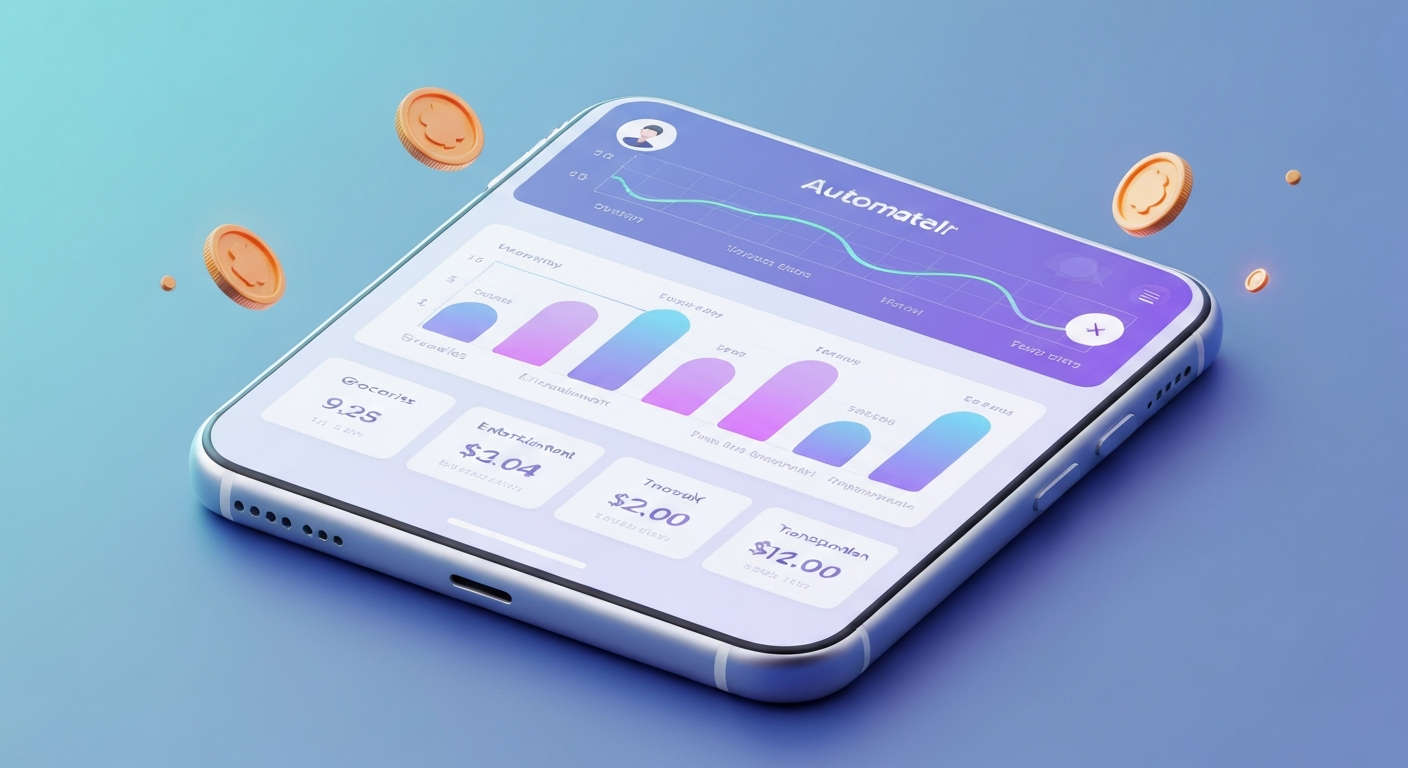
These platforms can also help you maximize your cashback. Some apps will suggest which of your credit cards to use for a particular purchase to earn the highest rewards, taking the guesswork out of your wallet. This ensures you're always following the optimal strategy without any extra effort.
Here’s how AI tools can help:
Automate transaction categorization for easy budgeting.
Provide insights into your spending patterns.
Recommend the best card to use for each purchase.
Alert you when you’re approaching a budget limit.
Mobile Apps and Platforms for Real-Time Cashback Alerts
In today's fast-paced financial system, real-time information is key. Many credit card issuers now offer sophisticated mobile apps that do much more than just show your balance. These platforms provide instant notifications for every purchase and alert you the moment you earn cashback.
These apps are essential tools for modern financial planning. You can track your progress toward a sign-up bonus, activate quarterly bonus categories, and redeem your rewards with just a few taps. Some platforms that offer these services also provide real-time finance news, keeping you updated on market trends.
Benefits of using mobile apps for cashback include:
Instant purchase and reward notifications.
Easy activation of rotating bonus categories.
Simple and quick reward redemption.
Real-time tracking of spending and budgets.
How AI Enhances Credit Card Security and Fraud Protection
Beyond rewards, AI is playing a huge role in keeping your financial information safe. Credit card companies use advanced AI algorithms to monitor your account for suspicious activity 24/7. This technology can detect unusual transaction patterns that might indicate fraud, often stopping it before it happens.

This is a core part of a credit card issuer's company policy on security. The AI learns your typical spending behavior—where you shop, how much you spend, and when—to create a unique profile. When a transaction deviates significantly from this pattern, it gets flagged for review.
How AI protects you:
Analyzes transactions in real time to spot anomalies.
Reduces false declines by understanding your travel patterns.
Sends instant alerts to your phone for suspicious charges.
Helps issuers adapt quickly to new fraud tactics.
Investing Your Cashback: Smart Money Moves
Earning cashback is great, but what you do with it can make an even bigger impact on your financial future. Instead of just spending your rewards, consider using them to build wealth. Investing your cashback, even small amounts, can grow significantly over time thanks to the power of compounding.
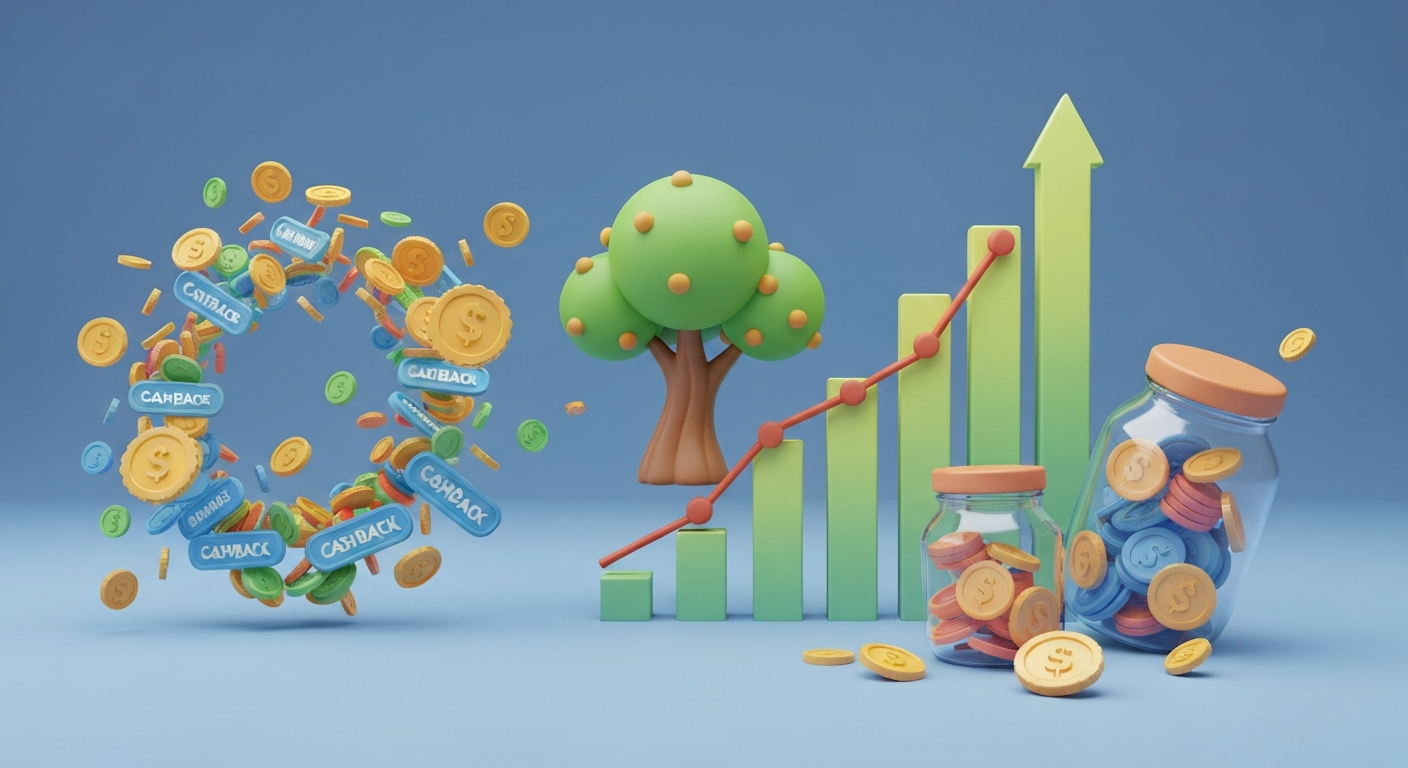
This approach transforms your everyday spending into a tool for capital budgeting for your personal life. Whether you're saving for a down payment or planning for retirement, your cashback can become a key part of your investment strategy. Let's explore how to turn these rewards into investment capital.
Turning Cashback Rewards Into Investment Capital
How does the stock market work in finance, and how can your cashback get you started? The stock market is a place where you can buy small pieces of ownership (stocks) in public companies. By investing your cashback, you're turning rewards from spending into assets that have the potential to grow in value.
Instead of letting your cashback sit idle or using it for small purchases, you can direct it into an investment account. Many people start by putting their rewards into a mutual fund, which is a diversified collection of stocks and bonds. This is a simple way to enter the market without needing to pick individual stocks.
Over time, these small, consistent investments can accumulate into a substantial sum. It's a powerful strategy for building long-term wealth, all funded by the rewards you earn on purchases you were going to make anyway.
Best Ways to Start Investing With Small Sums
You don't need a lot of money to start investing. Thanks to modern investment platforms, you can begin with the small sums you earn from cashback rewards. These platforms often have no or low minimum investment requirements, making them accessible to everyone.
A great place to start is with micro-investing apps, which allow you to invest a few dollars at a time. Another popular option is investing in low-cost index funds or ETFs, which offer broad market diversification. For research, many online platforms provide real-time finance news and analysis to help you make informed decisions.
Here are some easy ways to start investing with small amounts:
Micro-investing apps: Automatically invest your spare change or cashback.
Robo-advisors: Create a diversified portfolio for you based on your goals.
Fractional shares: Buy a small piece of a high-priced stock.
Index funds: Invest in a broad market index for instant diversification.
Integrating Cashback With Automated Investment Apps
Financial technology has made it easier than ever to connect your spending with your investing. Many platforms now allow you to automatically invest the cashback you earn from your credit card. This "set it and forget it" approach ensures your rewards are consistently put to work for you. For those wondering, "how can I track stocks and financial portfolios online?", these integrated apps are often the answer.
These apps link directly to your credit card account. Every time you receive a cashback reward, the app can automatically withdraw that amount and invest it into a portfolio of your choice. This seamless integration removes the friction of manually transferring and investing the money yourself.
This automation is a powerful tool for building investment discipline. It helps you build a habit of saving and investing without having to think about it, turning your everyday spending into a consistent engine for wealth creation and providing a better understanding of your financial growth.
Frequently Asked Questions (FAQ)
Have questions about maximizing your savings with cashback cards? You're not alone! Many people wonder how to effectively manage their finances while enjoying rewards. Common queries include how cashback percentages work, which financial institutions offer the best cards, and whether these cards impact credit scores. Additionally, understanding the role of credit unions versus commercial banks can help in making informed decisions. Don't hesitate to explore the broader world of financial opportunities, as a little knowledge can lead to better financial planning and success in personal finance.
How can I make sure I’m getting the maximum cashback on all my purchases?
To maximize cashback, align your credit card with your biggest spending categories. Use a card with high rewards for groceries, gas, or dining if that's where you spend most. Regularly review your financial statements and consider using multiple cards to cover different bonus categories as part of your financial planning.
What are the most important features to compare when choosing a cashback card?
When comparing cards, look at the cashback rate, any annual fees, sign-up bonuses, and reward categories. Also, consider the redemption options and the quality of the issuer's digital tools. Check if the card has foreign transaction fees if you travel, as this is a key feature offered by many financial institutions.
Are there hidden fees or restrictions with high-cashback credit cards in 2025?
Yes, always read the fine print. Some cards have annual fees, foreign transaction fees, or caps on how much cashback you can earn in certain categories. Also, be aware of high interest rates if you carry a balance, as interest charges can quickly negate any rewards you’ve earned.
Conclusion
In summary, maximizing your savings through cashback credit cards in 2025 is not just about getting rewards; it’s about making informed financial decisions. Understanding how cashback programs work, budgeting effectively, and managing your credit score are crucial steps in reaping the full benefits of these cards. The landscape of cashback options is evolving with technology, and leveraging AI tools can help you track your spending efficiently while enhancing security. Remember that the rewards you earn can be transformed into smart investments, paving the way for a healthier financial future. If you're ready to take control of your finances, get a free trial or consultation today to explore how you can optimize your cashback rewards.
Job Market Trends and Their Impact on Personal Finance
As we navigate through the complexities of personal finance, understanding the job market trends is crucial for making informed financial decisions. The employment landscape continually shifts, influenced by technological advancements, economic changes, and evolving industry demands. For instance, the rise of remote work and the gig economy has created new opportunities and challenges for individuals in managing their finances. Professionals must adapt by enhancing their skills to remain competitive in this dynamic environment. Moreover, fluctuating job security can significantly impact personal savings and investment strategies. Individuals may find themselves reevaluating their budget and savings goals as they anticipate potential job changes or economic downturns. To thrive in this landscape, staying informed about job market trends is vital. Not only can it guide career planning, but it also shapes decisions related to spending, investing, and overall financial wellness. Understanding how these trends affect income stability helps individuals craft a resilient financial plan that accommodates both current realities and future aspirations.
Economic Events Affecting Cashback and Consumer Spending
Economic events have a profound impact on cashback rewards and consumer spending, shaping the way individuals interact with their finances. As economic conditions fluctuate—be it through inflation, shifts in employment rates, or changes in monetary policy—consumers often adjust their spending habits accordingly. High inflation rates, for instance, can lead to consumers tightening their budgets, focusing on essential purchases and seeking out cashback cards that offer the best rewards on necessary items like groceries and fuel. Conversely, in a thriving economy with low unemployment, people may feel more confident in their spending, leading to increased use of cashback cards across various categories, including dining and entertainment. Moreover, significant financial events such as changes in interest rates can influence credit card usage, as higher rates might deter some consumers from carrying balances on their cards, ultimately affecting the cashback they earn. Understanding these dynamics is crucial for crafting a robust personal finance strategy, as being aware of external economic factors can help consumers maximize their cashback opportunities while making informed spending choices.
Corporate Earnings and Consumer Spending Analysis
The interplay between corporate earnings and consumer spending is pivotal in shaping the financial landscape. As companies report their earnings, it often reflects the broader economic health and influences consumer confidence. When corporate profits soar, businesses typically reinvest in growth, which can lead to wage increases and hiring. This, in turn, boosts consumer spending as employees feel more secure and willing to spend on discretionary items. Conversely, when corporate earnings decline, companies may implement cost-cutting measures, which can result in reduced hiring or layoffs, leading to a cautious consumer attitude. Understanding these dynamics is essential for consumers aiming to navigate their finances effectively. By staying attuned to corporate earnings reports, individuals can gauge economic trends and adjust their spending and savings strategies accordingly, ensuring they align with broader market shifts. Hence, a dual focus on both corporate performance and consumer behavior creates a comprehensive view of the economic environment, crucial for making informed financial decisions.
Emerging Technologies and Innovations in Financial Services
The financial services industry is witnessing a remarkable transformation driven by emerging technologies and innovations that are redefining how consumers interact with their finances. Fintech solutions are at the forefront, utilizing artificial intelligence, blockchain, and mobile applications to streamline banking processes and enhance user experience. For instance, AI-powered chatbots are playing a significant role in customer service, providing real-time assistance and personalized advice, while blockchain technology ensures secure and transparent transactions, minimizing the risk of fraud. Additionally, innovative mobile platforms allow users instant access to their accounts, budgeting tools, and investment options right from their smartphones. These technologies are not just enhancing convenience; they are also promoting financial literacy and inclusion by making financial services accessible to a broader audience. As we move further into the digital age, consumers can expect more seamless integration of these technologies, leading to a more efficient financial landscape that prioritizes security, transparency, and personalization—all crucial components for savvy financial planning.
Corporate Earnings and Consumer Spending Analysis
The interplay between corporate earnings and consumer spending is pivotal in shaping the financial landscape. When businesses report strong earnings, it often translates to higher consumer confidence, as employees may experience increased job security and wage growth. This subsequently leads to more robust consumer spending, especially on non-essential items that can generate additional cashback rewards. Conversely, if corporate earnings decline, it can trigger a wave of cost-cutting measures, affecting employment levels and, consequently, consumer confidence. Individuals may become more cautious, prioritizing essential purchases and seeking out cashback cards that maximize returns on everyday expenses. Understanding these dynamics is essential for consumers aiming to navigate their finances effectively. By staying informed about corporate earnings reports and market trends, individuals can make strategic financial decisions, optimizing their spending habits and maximizing their cashback rewards in alignment with the broader economic conditions. This holistic view allows consumers to adjust their budgets and savings strategies, ensuring they remain proactive in various economic climates.
Real estate remains a fundamental investment avenue, offering opportunities for wealth accumulation and financial security through property appreciation and rental income
Real estate remains one of the most popular investment options, providing opportunities for wealth accumulation through property appreciation and rental income
Financial institutions play a crucial role in the economy by facilitating transactions, providing loans, and managing assets for individuals and businesses alike
The Bureau of Labor Statistics projects robust growth in finance-related careers, with financial analysts expected to see a 6% increase and financial managers an impressive 16% from 2018 to 2028, highlighting the sector's resilience and demand for skilled professionals
Effective management of financial resources is crucial for individuals and businesses alike, as it determines how well they can achieve their goals and navigate economic challenges
Share your tips or experiences related to this topic in the comments?